


Introduction
For many women in Nigeria, painful periods are dismissed as “normal.” But when pain becomes severe, chronic, and life-disrupting, it could be something more — endometriosis. Unfortunately, awareness remains low, and diagnosis can take years.
What Is Endometriosis?
Endometriosis is a condition where tissue similar to the lining of the uterus grows outside the uterus. This tissue can grow on the ovaries, fallopian tubes, bladder, bowel, and other pelvic organs.
Unlike normal menstrual tissue, this misplaced tissue has no way to exit the body during menstruation. This can cause:
-
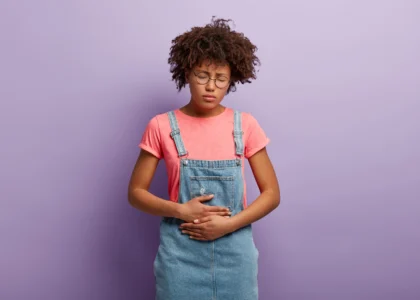
Severe menstrual cramps
-
Chronic pelvic pain
-
Pain during or after sex
-
Painful bowel movements or urination during periods
-
Heavy menstrual bleeding
-
Difficulty getting pregnant
Why Is It Often Missed in Nigeria?
In many Nigerian communities, menstrual pain is normalized. Young girls are told to endure it quietly. Cultural silence around reproductive health makes it harder for women to seek help.
Additionally:
-
Limited specialist access
-
Misdiagnosis as fibroids, infection, or “just hormones”
-
Financial barriers to testing and surgery
-
Low public awareness
Why Early Diagnosis Matters
Endometriosis is a chronic condition, but early diagnosis can help manage symptoms and reduce complications such as infertility or organ damage.
If your pain:
-
Stops you from going to school or work
-
Makes you faint or vomit
-
Requires strong painkillers every cycle
-
Gets worse over time
It is not normal.
What You Can Do
-
Track your symptoms.
-
Speak to a qualified gynecologist.
-
Ask about imaging or laparoscopy if necessary.
-
Seek support — you are not alone.
At The Endometriosis Circle, we believe pain should be heard, not silenced.